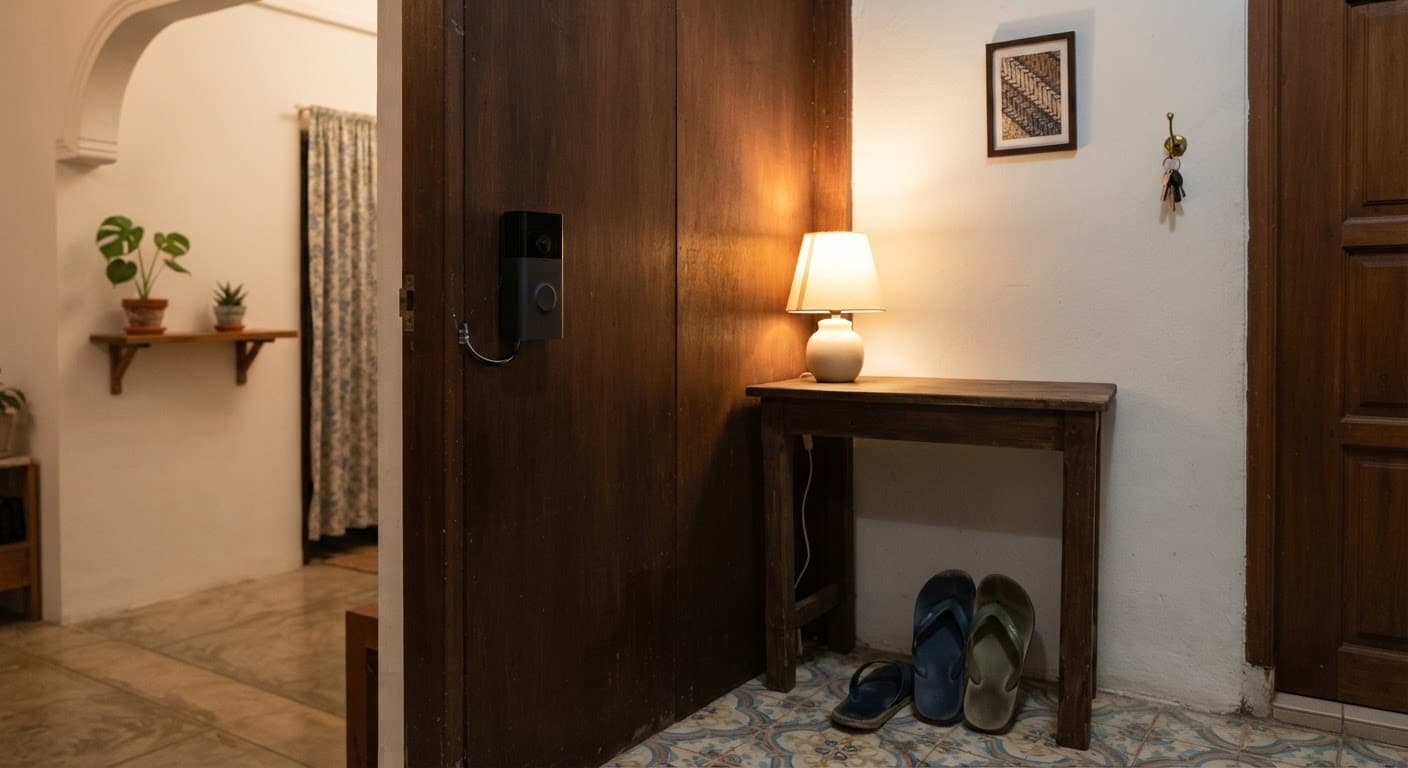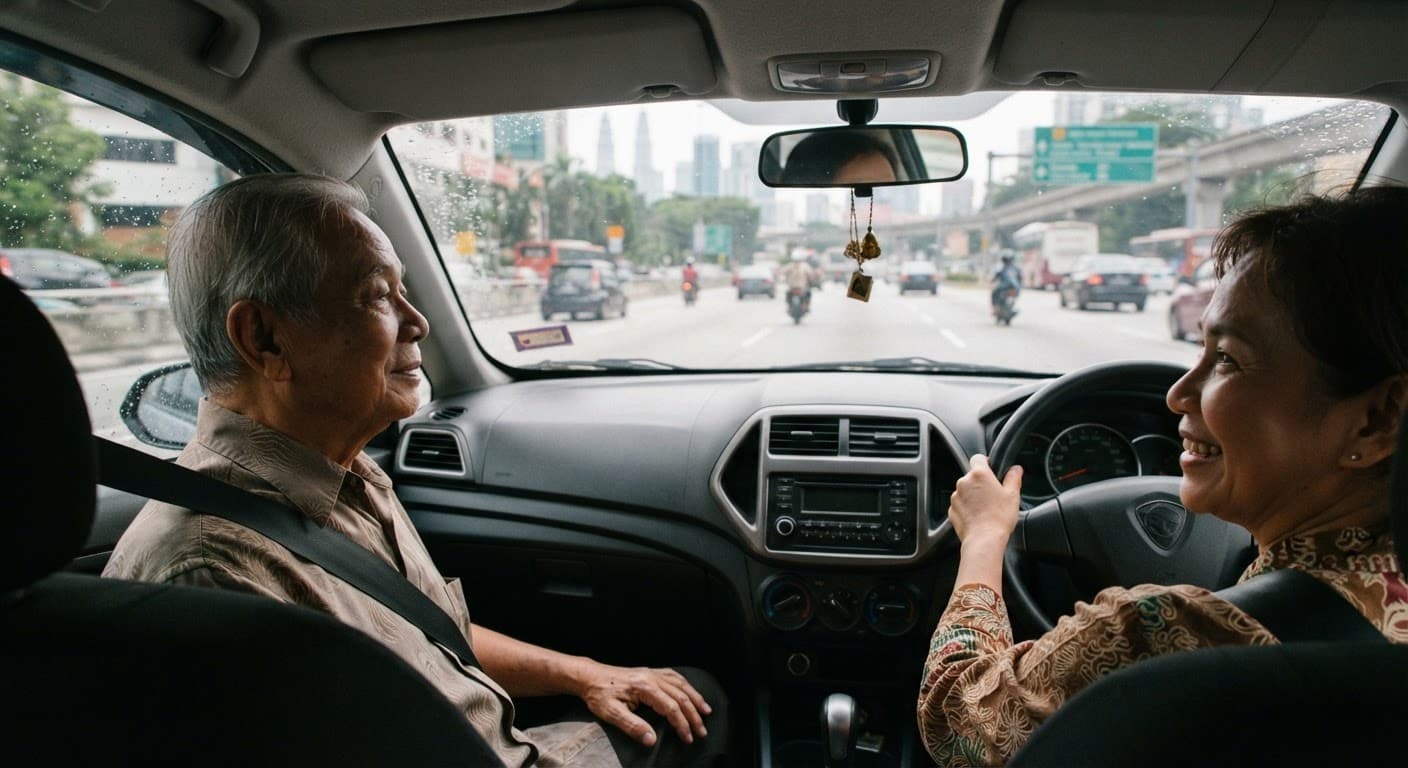
It almost never starts with a crash. It starts with a dented bumper nobody explains, a route taken twice by mistake, or a grandchild quietly mentioning that Ah Kong went through a red light at the junction near the market.
In most Malaysian households the car is not just transport. It is the way a parent keeps their own routine — the market, the temple or surau, the clinic, the friend in the next taman. Removing it removes all of that at once, which is why the conversation fails when it is framed as safety alone.
Start with the route, not the licence
Instead of arguing about whether a parent should drive, ask about specific journeys. The night drive to a distant relative. The highway trip to a specialist in another state. Most people will concede two or three routes easily; almost nobody concedes all of them at once. Route by route, the picture changes without a single ultimatum.
Give them something back
The families who handle this well replace the drive rather than just removing it. A booked e-hailing account with a saved home address. A standing arrangement with two neighbours for the weekly market. A driver for clinic days, shared between three households. Each of these costs less than people assume, and each one removes the argument that stopping would mean being stuck at home.
The question is not whether your father can still drive. It is whether the way he drives now is safe for other people, and that is a question a doctor can help answer.
A medical assessment takes the blame out of the room. Ask the family doctor to review vision, reaction time and medication interactions, and to put the conclusion in writing. It is much easier to accept a decision from a doctor than from a daughter, and both of you know it.
Questions readers ask
- Can a doctor actually stop someone driving in Malaysia?
- A doctor can advise, document the advice, and in serious cases notify the authorities, but there is no routine national re-testing at older ages. In practice the weight falls on the family, which is exactly why a written medical opinion helps.
- What if they keep driving anyway?
- Hide nothing and involve a third party early — the family doctor, a respected relative, or a religious figure. And where a specific vehicle is the risk, removing access to the keys is a legitimate last resort when a person with a cognitive impairment is driving unsafely.
Read next
- What a domestic helper can and cannot legally do
Where household work stops and clinical care begins.
- Find care providers near you
Home care, day care and respite, filtered by state and budget.
- More in Caregiving
Helpers, respite and the arrangements that hold a household together.