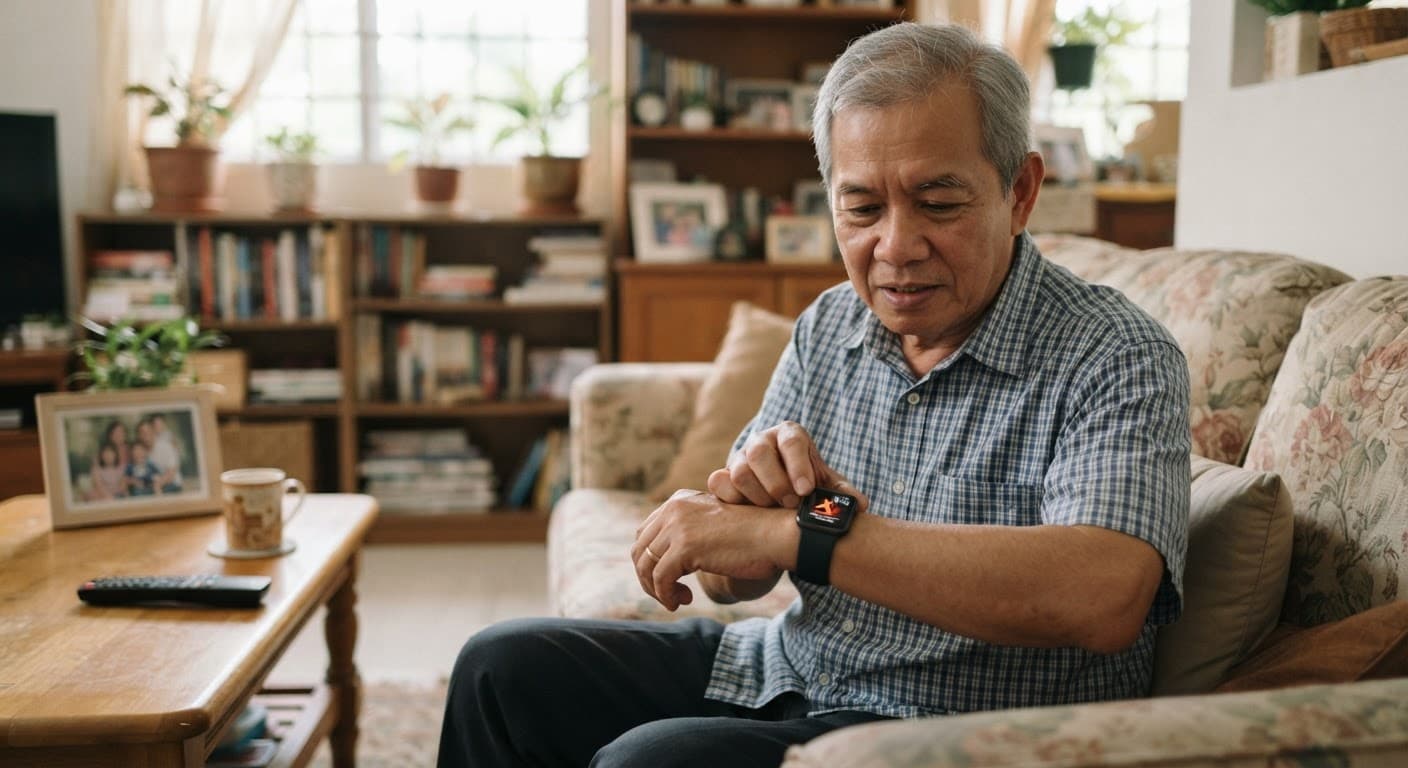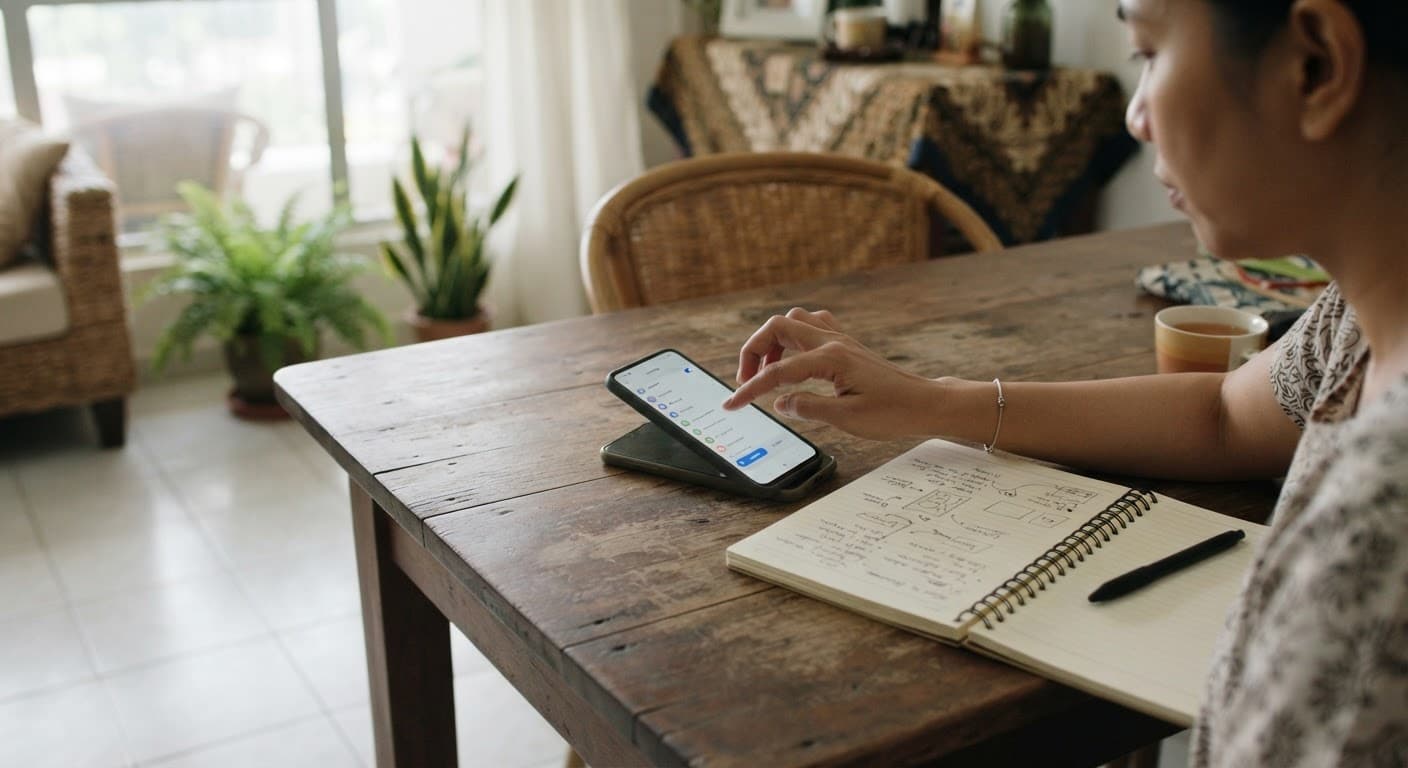
Most smart home products are sold to people who like gadgets, and most of them stop being used within a month. A small number genuinely change daily life for someone living alone, and they are almost all about two things: safety and answering the door.
The ones that last
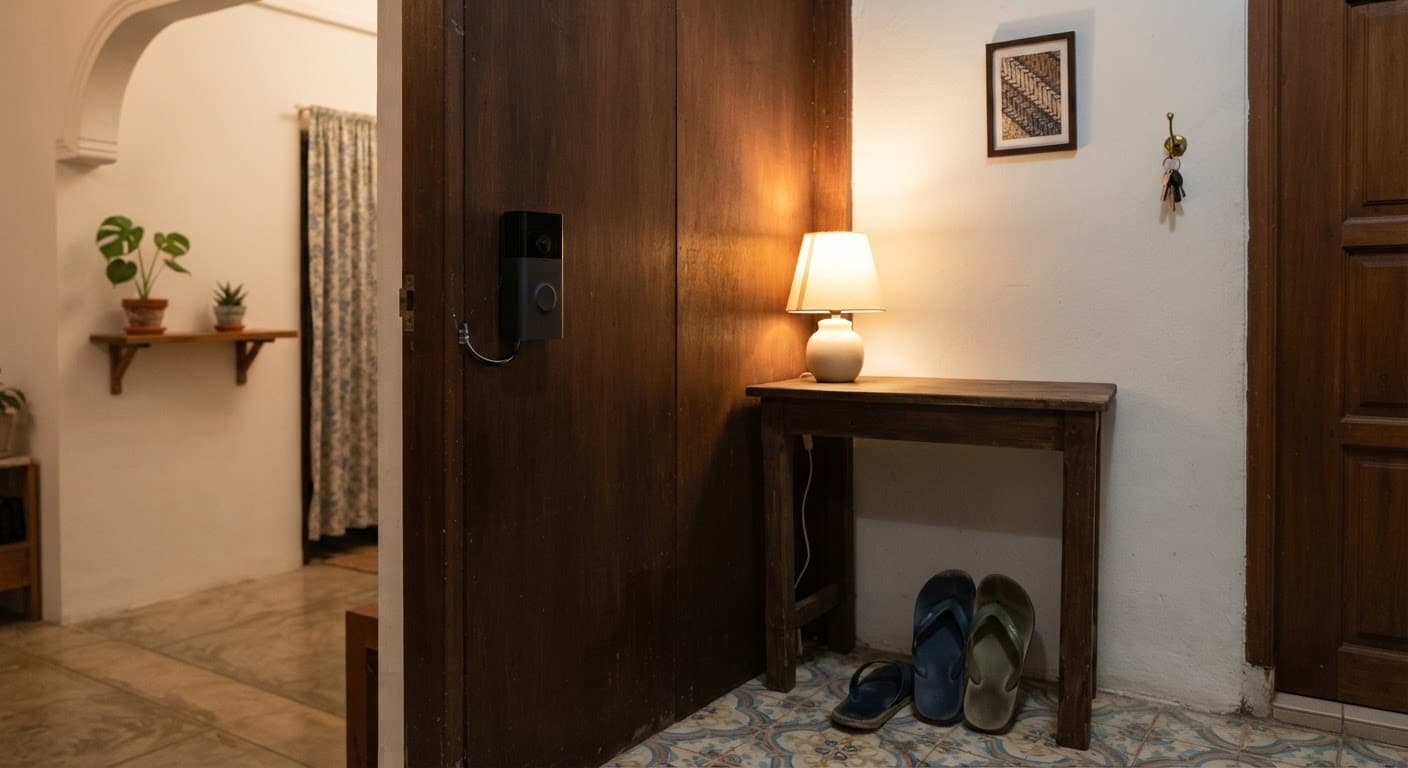
- A video doorbell, which answers the front door without walking to it and records who called
- Smart plugs on the standing lamp and the fan, set to a timer so the house is not dark at 7pm
- A motion night light on the route to the bathroom, which is where falls most often happen
- A plug-in carbon monoxide and smoke alarm that sends a notification to a phone
- One wireless button by the bed that can call or message a family member
The refusal problem is real and it is the main reason these devices fail. A camera in the living room registers as monitoring; a light on the bathroom path registers as helpful. Choose the version of the technology that looks like help and leave the version that looks like watching.
A device that has to be remembered, charged and switched on will fail. Buy the one that just works.
Questions readers ask
- Are home cameras a good idea?
- Only with the informed agreement of the person being watched, and only in shared areas. A camera in a parent's living room without their consent is surveillance, and it is a common cause of bitterness when discovered. If the concern is safety overnight, a motion light and a bedside call button achieve more and cost less.
- What happens to these devices when the internet goes down?
- It depends on the device, which is why the question belongs on the list before buying. Timers on smart plugs usually keep running locally, motion lights almost always work without any connection, and a video doorbell with local storage still records. A cloud-only alarm, on the other hand, may simply stop. Ask what the device does offline.
Read next
- Fall-detection watches: what they actually catch
Which alerts fire, which stay silent, and what to buy instead.
- More in Tech and Independence
Devices, scams and staying in your own home safely.