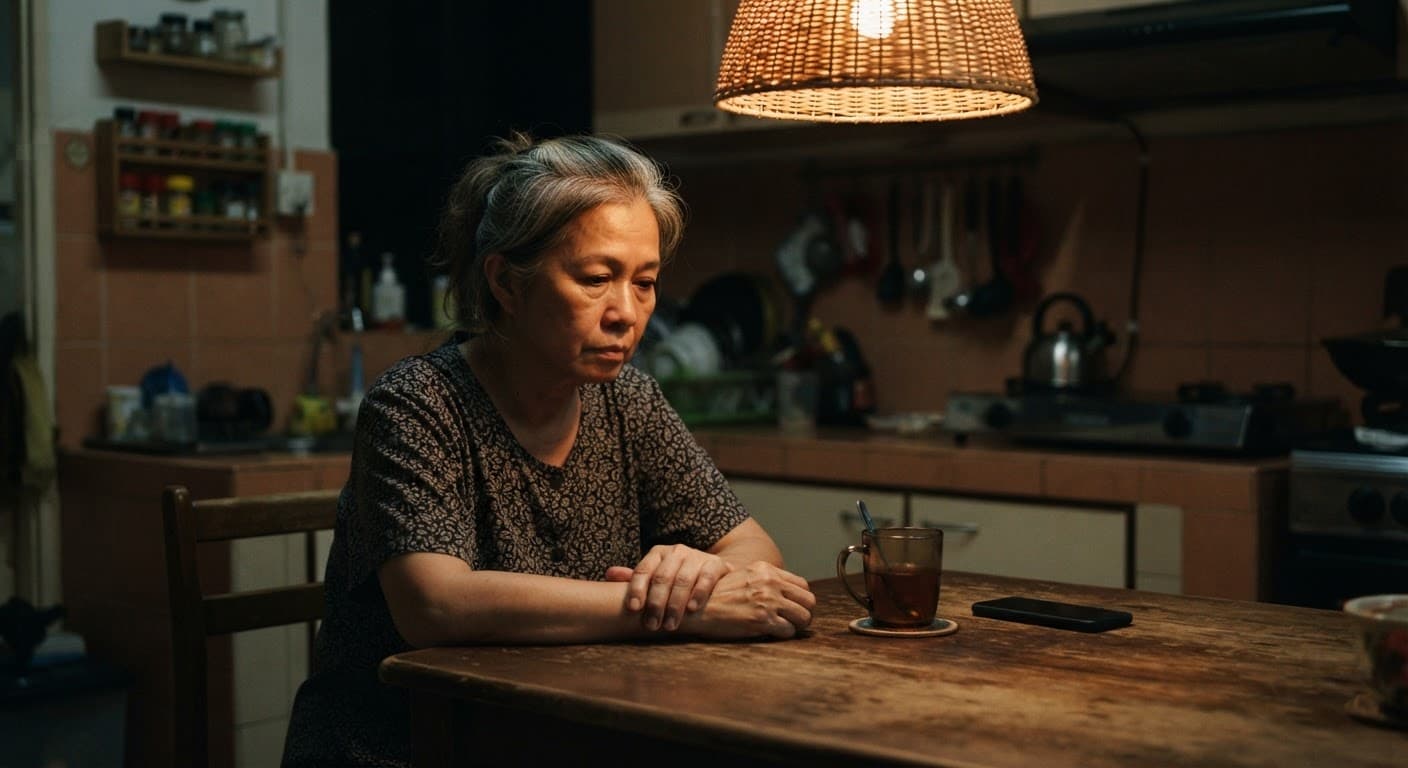
Burnout in family caregiving does not look like collapse. It looks like a shorter temper, a skipped clinic appointment, and a sudden certainty that nobody else in the family is doing anything at all.
The people who carry it longest are usually the ones who never asked for a rota, because asking felt like admitting the person they care for has become a burden. It is worth naming that plainly: needing relief is not the same as not loving someone.
The signs
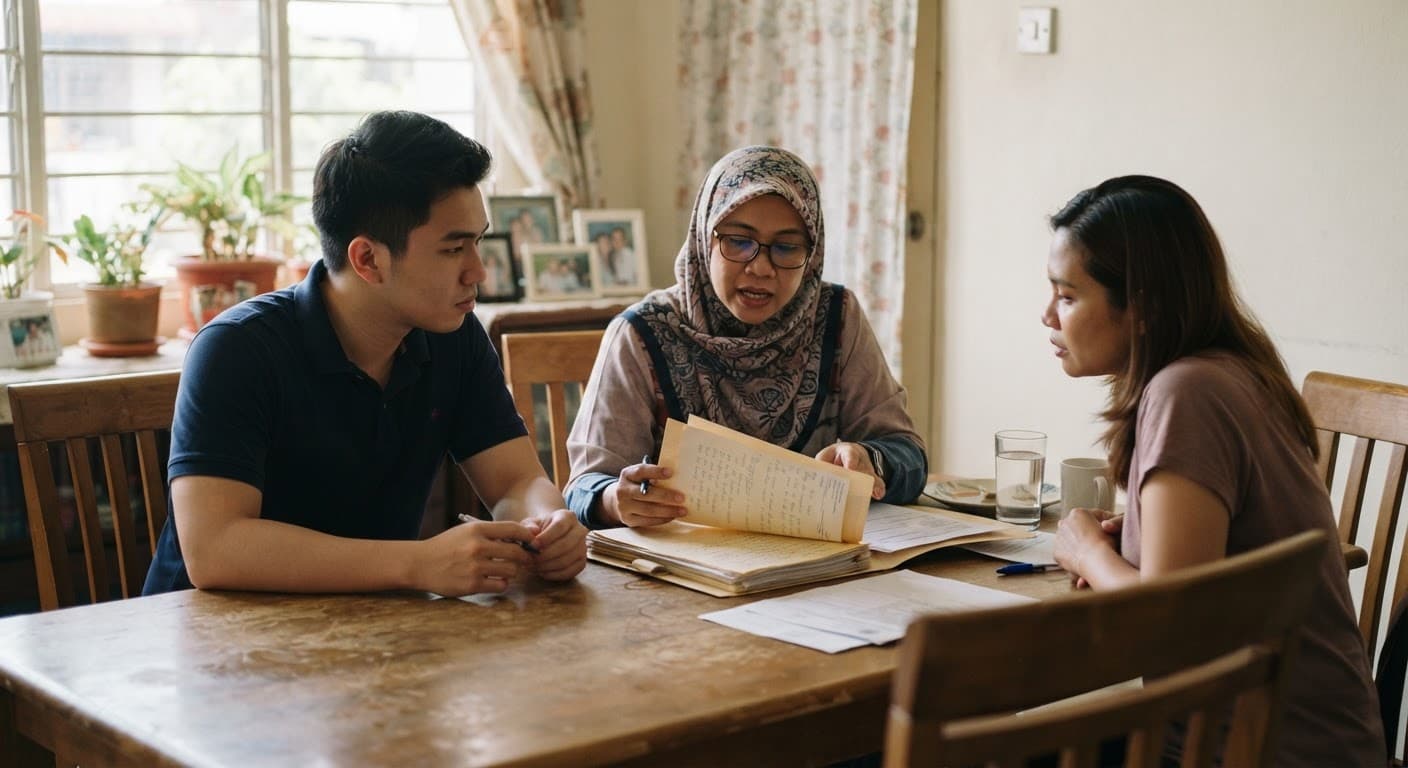
Build the rota before you need it
- Name two backups in writing and give them the medication list and the doctor's number
- Split the week into shifts, even when the split is uneven and one person carries most of it
- Book respite nights on a calendar for the year, not during the week it becomes urgent
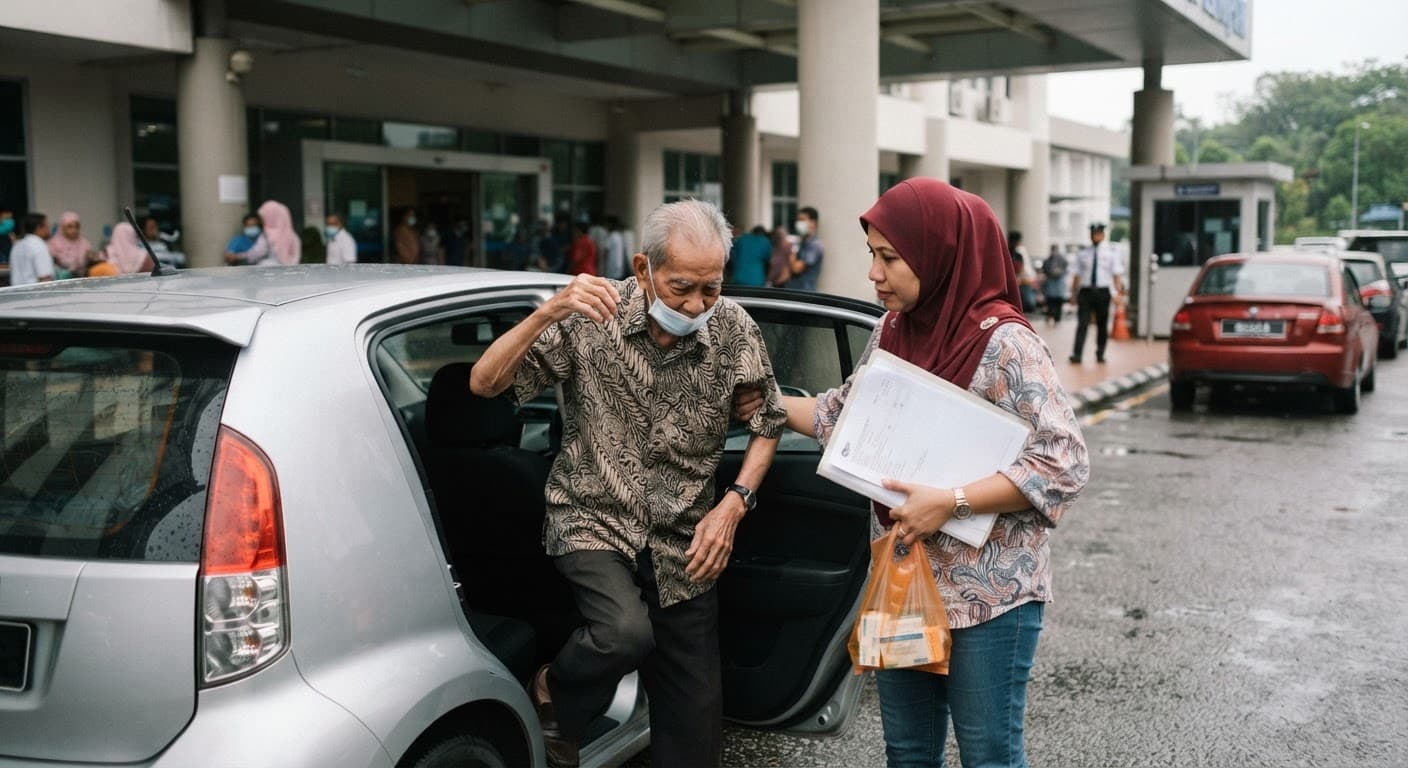
- Hand over one task that is not personal care — paperwork, transport, groceries, bills
- Say out loud who does what, and write it down, because unspoken expectations are where families break
A carer who becomes unwell is the event that forces a crisis admission, often within weeks. The rota is not a nicety; it is the thing that keeps the whole arrangement standing.
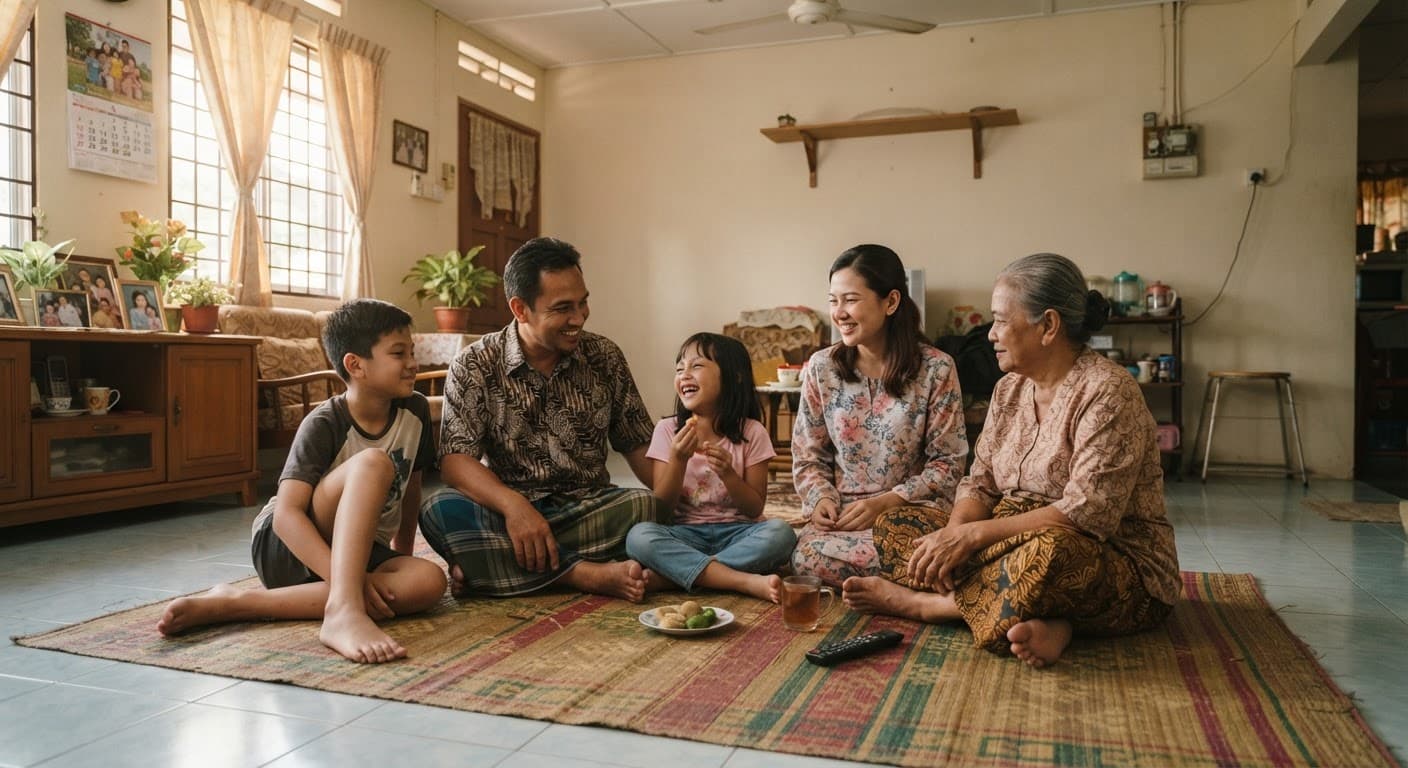
The most reliable protection against burnout is not resilience. It is other people, named and scheduled.
Questions readers ask
- My siblings live overseas and cannot help. What then?
- Distance removes hands, not resources. An overseas sibling can fund paid respite, take the paperwork and bill-paying, manage the appointments diary, and pay for a driver on clinic days. Put that in the rota in writing so it is a contribution rather than gratitude for whatever arrives.
- How do I say I cannot keep doing this?
- Say it before you reach the point of saying it badly. Name the specific shift you cannot cover rather than the general exhaustion — families find it easier to solve a named gap than to respond to a feeling. And bring a proposal, even a rough one, so the conversation is about arranging cover rather than about whether you mean it.
Read next
- Respite care: how to book it so you can actually sleep
Where the beds are and how far ahead to book.
- More in Caregiving
Helpers, respite and the arrangements that hold a household together.